


Lightweight Walker
Company Description
Guide To Rollator With Wheels: The Intermediate Guide Towards Rollator With Wheels
Understanding Rollators with Wheels: A Comprehensive Guide
Rollators, likewise understood as wheeled walkers, have become increasingly popular amongst people seeking mobility assistance. These innovative devices offer a mix of assistance, stability, and benefit, making them ideal for seniors and individuals with disabilities. This article explores the functions, benefits, types, and factors to consider of rollators with wheels, together with frequently asked questions to help you make an informed decision.
What is a Rollator?
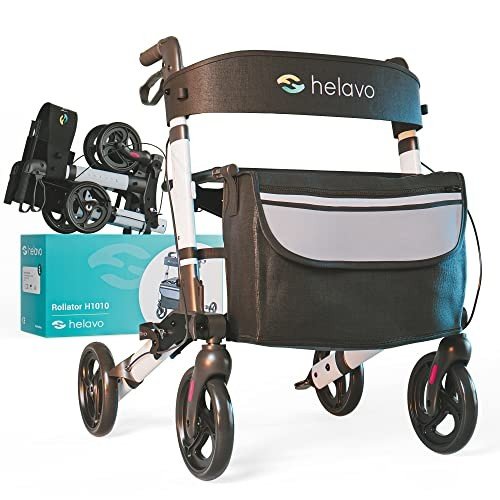
A rollator is a mobility gadget geared up with three or 4 wheels, hand brakes, and a frame created for stability. Unlike traditional walkers, which require users to lift the device to move, rollators slide smoothly, allowing users to walk naturally while receiving assistance. Most rollators also consist of a seat for resting, making them especially beneficial for those who might tire quickly.
Key Features of Rollators
- Wheels: Generally developed with either 3 or 4 wheels, offering balance and stability while walking.
- Hand Brakes: These brakes enable users to stop the rollator safely while promoting confidence during use.
- Seat: Many rollators come equipped with a seat for resting, perfect for users who might need to take breaks throughout walks.
- Basket or Storage Bag: Convenient for carrying personal items, shopping, or basics throughout trips.
- Adjustable Height: Frames are frequently adjustable for a custom-made fit, accommodating users of different heights.
Benefits of Using a Rollator with Wheels
Rollators use many advantages for individuals with restricted mobility. A few of the crucial benefits include:
- Enhanced Mobility: Rollators allow users to preserve independence and mobility, making it much easier to navigate inside your home and outdoors.
- Enhanced Stability: The presence of wheels and brakes provides extra support, lowering the danger of falls.
- Convenience of Use: Users can walk naturally without needing to raise the gadget, which can alleviate pressure on the arms and back.
- Comfortable Seating: Users can take breaks whenever needed, reducing fatigue and allowing longer trips.
- Increased Confidence: With much better support and stability, users might feel more safe and secure in their movements, causing higher mobility.
Kinds of Rollators
When thinking about a rollator, a variety of alternatives are available to deal with diverse requirements:
-
Standard Rollators: Typically come with 4 wheels, larger frames, and a comfy seat, making them suitable for a lot of users.
-
Compact Rollators: Designed for indoor use or travel, these rollators are lightweight, foldable, and typically include smaller sized frames.
-
Heavy-Duty Rollators: Engineered for users who may require additional assistance, these rollators generally have a higher weight capacity and a larger frame.
-
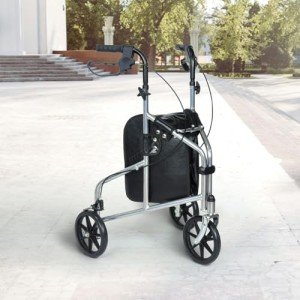
Three-Wheeled Rollators: More maneuverable than their four-wheeled equivalents, these rollators are perfect for browsing tighter spaces.
Factors to consider Before Purchasing a Rollator
Before buying a rollator, there are several factors that should be considered to ensure the very best suitable for private requirements:
- Weight Capacity: Check the weight limitation to ensure it supports the user’s weight adequately.
- Frame Size: Ensure that the frame fits the user’s height for optimum convenience and support.
- Wheel Size: Larger wheels are generally much better for outdoor use and rough terrain, while smaller sized wheels are more fit for indoor use.
- Storage Options: Consider just how much storage is essential for mobility aids, shopping, or personal items.
- Portability: If travel is a priority, select a foldable and lightweight model for ease of transportation.
Upkeep of Rollators
Appropriate maintenance can prolong the life of a Rollator With Wheels and make sure safety throughout use. Here are some tips:
- Regularly Check Brakes: Ensure that hand brakes function properly and adjust them as required.
- Examine Wheels: Look for wear and tear; change wheels if they reveal signs of damage.
- Tighten Up Loose Parts: Regularly look for any loose screws or bolts and tighten them to maintain stability.
- Tidy the Frame: Wipe down the frame frequently to keep it free from dirt and debris.
Table: Comparison of Rollator Types
| Type of Rollator | Wheel Count | Perfect Use | Weight Capacity | Mobility |
|---|---|---|---|---|
| Standard Rollator | 4 | General mobility | 300 lbs | Moderate |
| Compact Rollator | 4 | Indoor/Travel | 250 pounds | High |
| Heavy-Duty Rollator | 4 | Rigorous use | 400 lbs | Low |
| Three-Wheeled Rollator | 3 | Tight areas | 300 lbs | Moderate |
Frequently asked questions About Rollators with Wheels
Q1: How do I choose the right rollator for my requirements?
A1: Consider elements such as your height, weight, and where you’ll mainly use the rollator (indoor vs. outdoor). A trial at a mobility store might also assist you find a comfortable fit.
Q2: Are rollators difficult to steer?
A2: Most rollators are designed for ease of use, and with practice, users typically find them simple to navigate, particularly those with turning wheels.
Q3: What is the typical cost of a rollator?
A3: Prices can vary considerably, from roughly ₤ 70 for fundamental designs to over ₤ 300 for high-end or specialized designs.
Q4: Can rollators be used outdoors?
A4: Yes, many rollators are created for both indoor and outdoor use. Nevertheless, selecting one with larger wheels can enhance stability on irregular surface.
Q5: How do I preserve my rollator?
A5: Regularly inspect the brakes and wheels for wear, tighten up any loose parts, and tidy the frame occasionally to guarantee safety and durability.
Rollators with wheels are important mobility aids that promote independence and security for users. By comprehending the features, benefits, and maintenance of rollators, people can make educated decisions about their mobility requires. With the ideal rollator, users can take pleasure in enhanced mobility, confidence, and quality of life.