


Hnycareershub
Company Description
NHS: The Family They Never Had

Within the bustling halls of an NHS hospital in Birmingham, a young man named James Stokes carries himself with the measured poise of someone who has found his place. His oxford shoes barely make a sound as he acknowledges colleagues—some by name, others with the universal currency of a “hello there.”
James wears his NHS lanyard not merely as institutional identification but as a symbol of acceptance. It rests against a pressed shirt that offers no clue of the tumultuous journey that led him to this place.
What separates James from many of his colleagues is not immediately apparent. His demeanor reveals nothing of the fact that he was among the first recruits of the NHS Universal Family Programme—an initiative crafted intentionally for young people who have spent time in care.
“It felt like the NHS was putting its arm around me,” James says, his voice measured but tinged with emotion. His observation captures the essence of a programme that seeks to reinvent how the vast healthcare system perceives care leavers—those often overlooked young people aged 16-25 who have graduated out of the care system.
The statistics tell a troubling story. Care leavers commonly experience higher rates of mental health issues, financial instability, shelter insecurities, and diminished educational achievements compared to their contemporaries. Behind these impersonal figures are human stories of young people who have maneuvered through a system that, despite genuine attempts, regularly misses the mark in providing the stable base that shapes most young lives.
The NHS Universal Family Programme, launched in January 2023 following NHS England’s pledge to the Care Leaver Covenant, represents a significant change in systemic approach. At its core, it accepts that the entire state and civil society should function as a “universal family” for those who have missed out on the constancy of a conventional home.
A select group of healthcare regions across England have led the way, developing structures that rethink how the NHS—one of Europe’s largest employers—can extend opportunities to care leavers.
The Programme is meticulous in its methodology, initiating with thorough assessments of existing policies, establishing governance structures, and garnering executive backing. It understands that effective inclusion requires more than good intentions—it demands tangible actions.
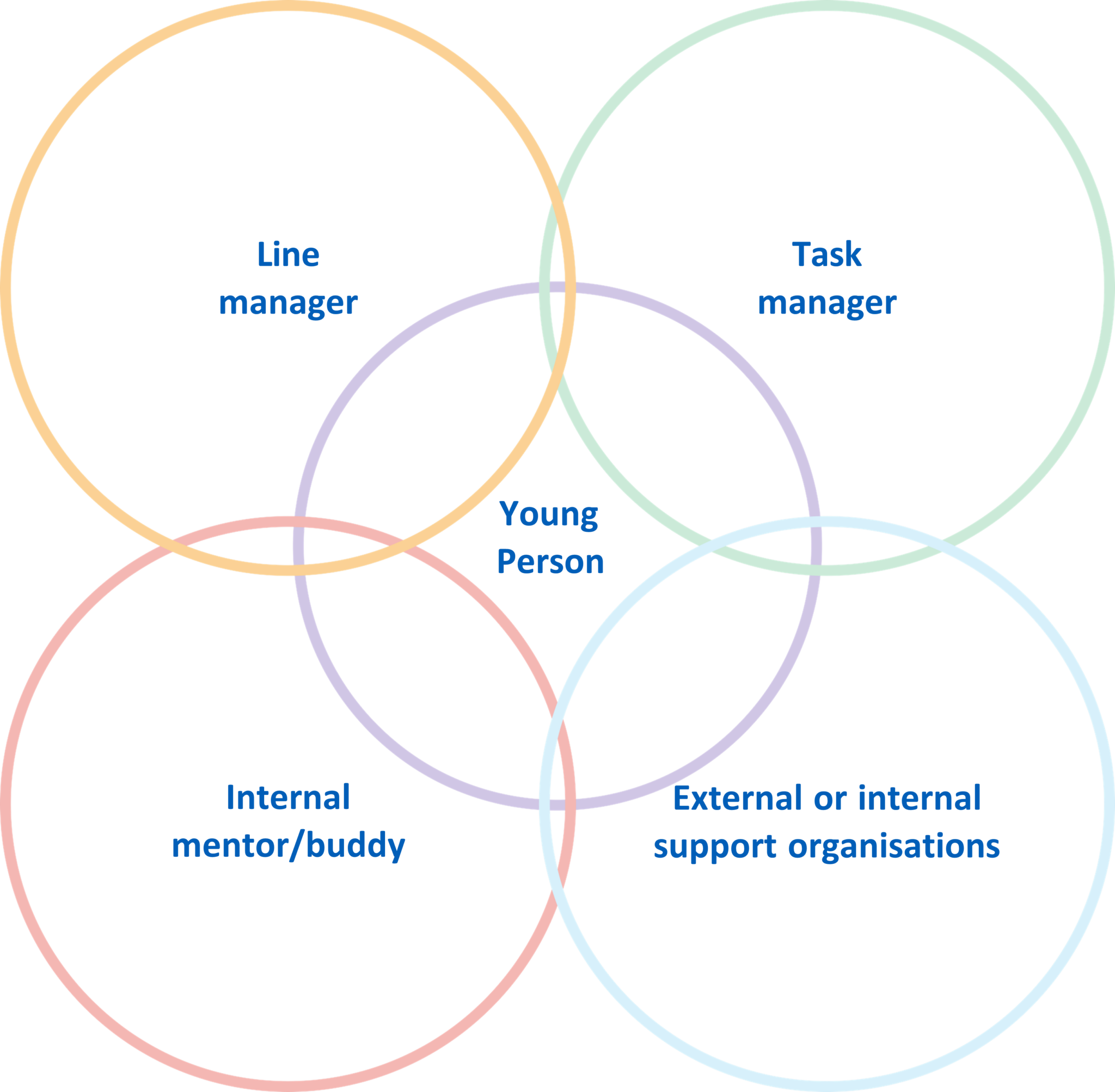
In NHS Birmingham and Solihull ICB, where James started his career, they’ve developed a regular internal communication network with representatives who can provide help and direction on personal welfare, HR matters, recruitment, and EDI initiatives.
The conventional NHS recruitment process—structured and possibly overwhelming—has been intentionally adjusted. Job advertisements now focus on attitudinal traits rather than long lists of credentials. Application procedures have been reimagined to address the unique challenges care leavers might face—from missing employment history to having limited internet access.
Maybe most importantly, the Programme understands that entering the workforce can pose particular problems for care leavers who may be navigating autonomy without the backup of parental assistance. Issues like travel expenses, proper ID, and bank accounts—taken for granted by many—can become substantial hurdles.
The brilliance of the Programme lies in its thorough planning—from clarifying salary details to providing transportation assistance until that critical first payday. Even apparently small matters like rest periods and workplace conduct are carefully explained.
For James, whose career trajectory has “revolutionized” his life, the Programme offered more than work. It provided him a feeling of connection—that intangible quality that emerges when someone senses worth not despite their background but because their unique life experiences enriches the workplace.
“Working for the NHS isn’t just about doctors and nurses,” James comments, his expression revealing the subtle satisfaction of someone who has secured his position. “It’s about a family of different jobs and roles, a family of people who truly matter.”
The NHS Universal Family Programme exemplifies more than an job scheme. It exists as a bold declaration that organizations can evolve to welcome those who have known different challenges. In doing so, they not only transform individual lives but enhance their operations through the distinct viewpoints that care leavers contribute.
As James navigates his workplace, his presence silently testifies that with the right help, care leavers can thrive in environments once deemed unattainable. The support that the NHS has extended through this Programme signifies not charity but appreciation of overlooked talent and the profound truth that all people merit a family that supports their growth.